About Us
Welcome to Volcano Spirit Cacao
We are here to bring you the ancient tradition of ceremonial cacao, directly sourced from small-scale farmers in Guatemala.
Our Mission
Bring cacao back to where it began.
Our mission is to close the gap between the people who grow cacao and the people who drink it, sourcing directly from small-scale farming families in Guatemala, and sharing it the way it was always meant to be: pure, potent, and full of spirit. No shortcuts, no fillers, no big food industry, no lab-grown substitutes, no sugars, just cacao, honored from forest to cup.
Meet Byron
The head and heart of our cacao collective.
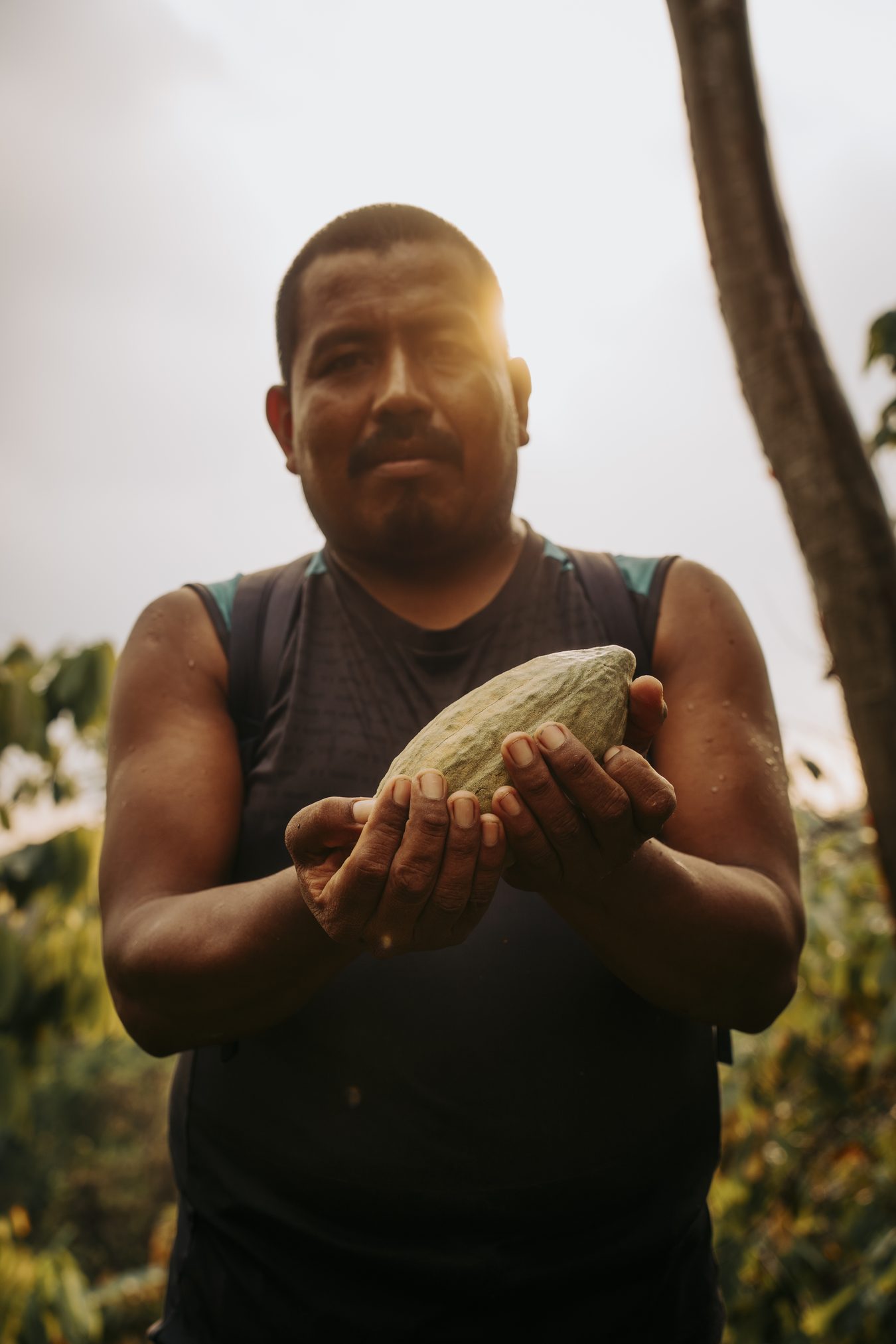
Byron is the head and heart of our cacao collective, collaborating with five family-owned farms around Lake Atitlán.
In these families, the wisdom of cultivating cacao has been passed down from generation to generation, and Byron continues his family tradition with so much passion and love.
We are beyond honored and grateful for him to share this wisdom with us.
Cacao Guardians
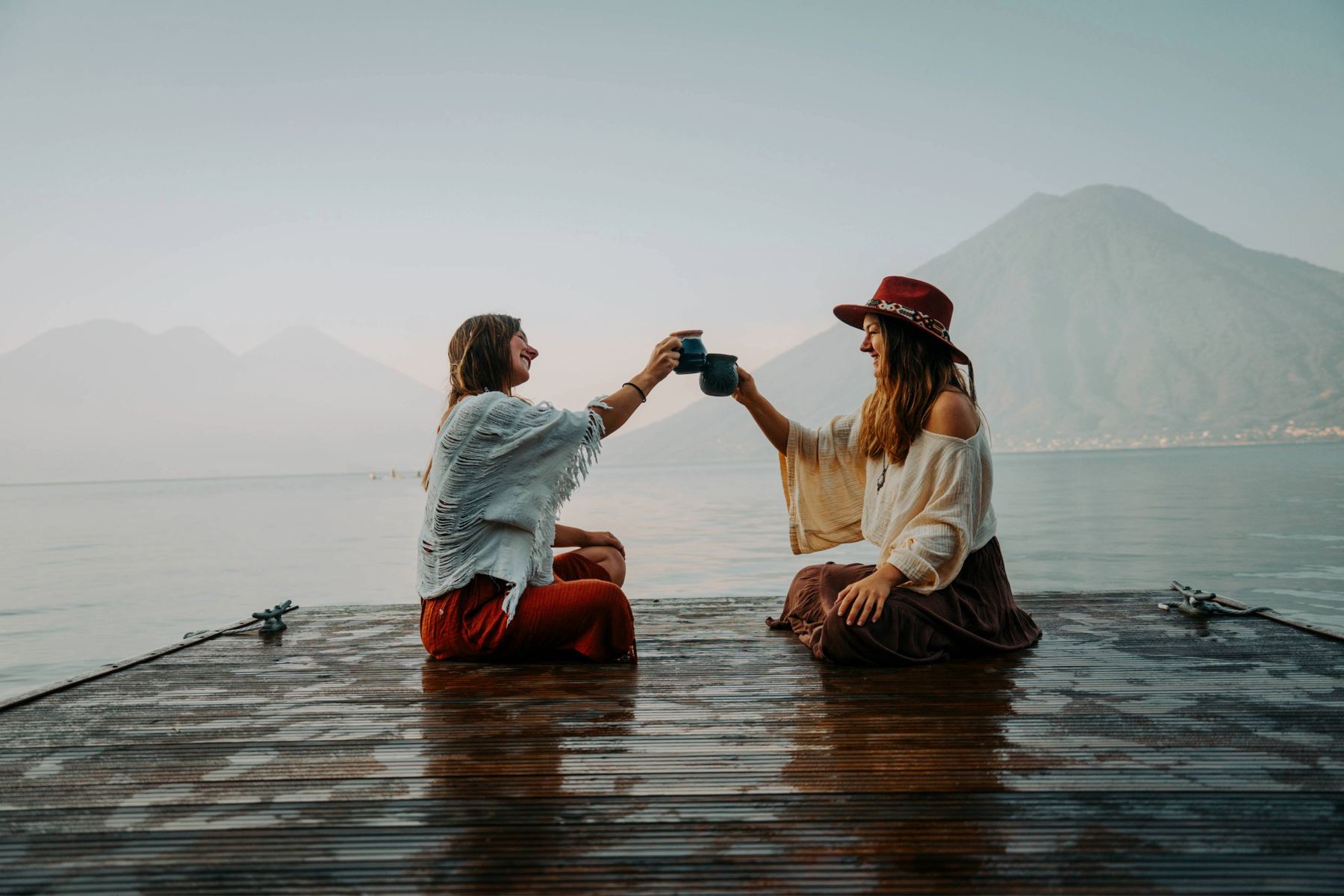
Hi, we are Anya and Laura.
We are the guardians behind Volcano Spirit Cacao. We're on a mission to share the heart-opening tradition of ceremonial cacao in a world where it's more needed than ever, and we're so happy you're part of it.
We met at the most magical place in the world: Lake Atitlán, where the tradition of cacao is alive and part of day-to-day life. We spent many years in the cacao-growing highlands of Guatemala, sat in uncountable cacao ceremonies with local families, visited the farms where cacao is grown, and learned about the cultivation process directly from the farmers.
When we came back to Europe, we couldn't help but notice how far the chocolate in supermarkets had drifted from its origins. Rows and rows of sugar and vegetable fat dressed up as cacao, and nothing that tasted like cacao actually does. Convenience, cheap substitutes, and addictive additives have replaced the real thing, and conventional chocolate brands often don't even use real cacao anymore. That's why we made it our mission to bring cacao back in its true, original form.
Cacao has opened our hearts in ways we never thought would be possible, and became our grounding ritual that we return to over and over again.
The volcanic soil around Lake Atitlán is some of the most mineral-rich earth on the planet.
Come taste the difference.
Shop Cacao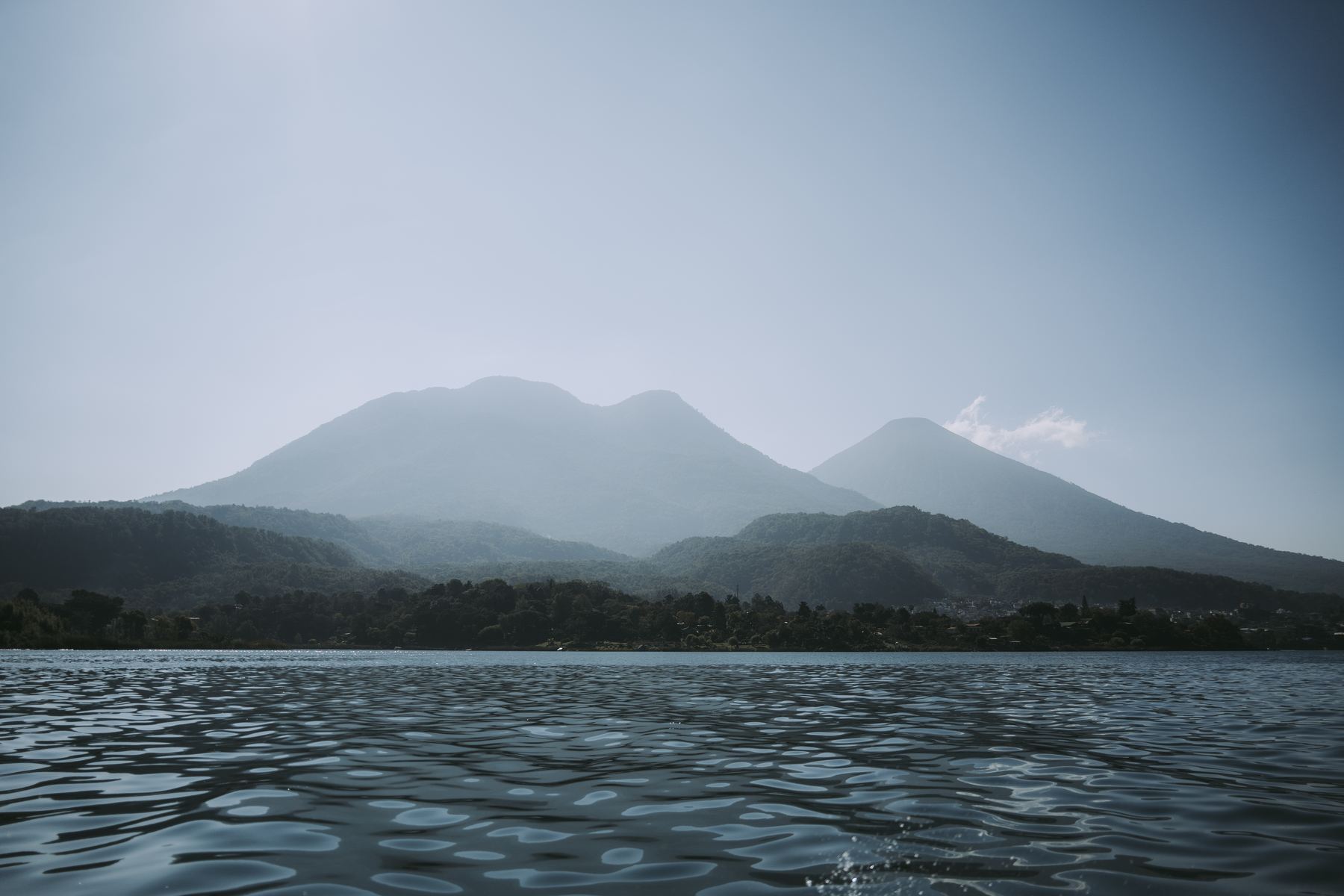
Origin
Born of fire, grown in living forest.
Lake Atitlán sits inside a volcanic crater that collapsed 84,000 years ago and is surrounded by three volcanoes: Atitlán, Tolimán, San Pedro. Our cacao grows in the highlands behind them, where the soil is dense with minerals, rich in iron, and still carrying the spirit of the fire that made it.
That volcanic soil, cool highland air, and forest shade are exactly what cacao needs to grow slowly and develop real depth. It shows up in the cup: our cacao has a fuller, more layered flavor than cacao grown in flatter, more exposed soil, notes that move from earthy to fruity in the same sip. And because the beans draw on that same mineral-dense ground, they naturally carry compounds like iron and magnesium, the same minerals that shape the soil around them.
The Craft
Heart over hurry.
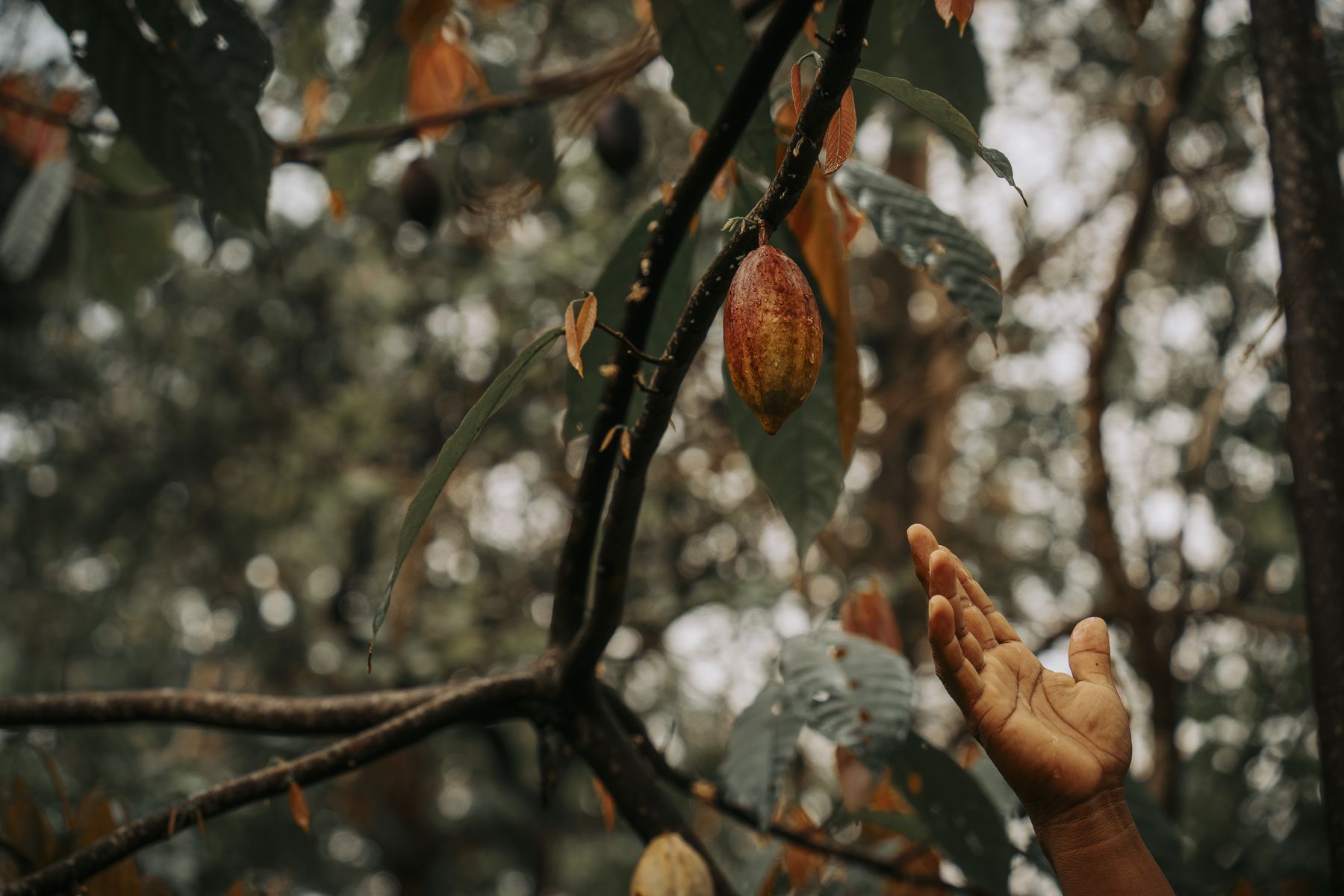
Every pod is cut by hand, at the exact moment it is ready, not when a shipping schedule says it should be, as is so often the case in the chocolate industry. The beans ferment wrapped in banana leaves, dry in the sun, and are stone-ground into a paste. Nothing is added and nothing is taken away.
When cacao is harvested ripe, fermented properly, and cold-stone-ground rather than heat-processed, it keeps the bean's natural full-fat cacao butter, its magnesium and iron, its flavanols, and its depth of flavor. The bitterness you taste in our cacao is what real cacao tastes like when nothing has been removed or sweetened.
Most chocolate you taste has had that bitterness engineered out of it, but that's actually where most of the good stuff lives.
Our Mission
In a world full of ultra-processed everything, choosing real foods is an act of rebellion.
Thank you for being part of the mission.